Strengthening grid stability and resilience

Balancing electricity generation and consumption at every moment is the core challenge of our power system. To achieve this, grid operators rely on flexibility mechanisms capable of adjusting supply and demand in real time.

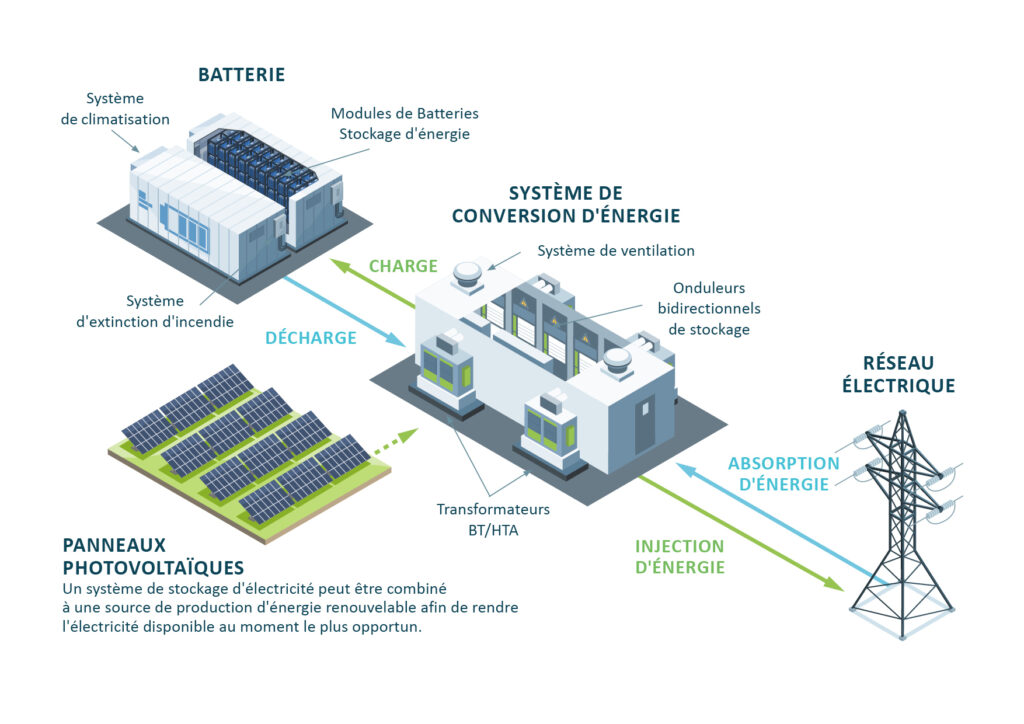
With the rapid growth of renewable energies, variable by nature, this flexibility has become essential to ensure stability and resilience. Battery energy storage, also known as BESS (Battery Energy Storage Systems), provides an effective response to this need.

Key advantages of battery storage:

  • Stabilize the grid: absorb surplus green electricity and release it at the right moment.
  • Optimize photovoltaic generation: store daytime solar energy for evening consumption.
  • Reduce electricity costs: enhance the competitiveness of renewable energy.
  • Lower CO₂ emissions: limit the use of fossil fuels during peak demand periods.
  • Strengthen energy independence: reduce reliance on imported fossil fuels.
  • Enable rapid deployment of flexible, competitive and low‑carbon solutions.

REDEN, a key player in energy storage

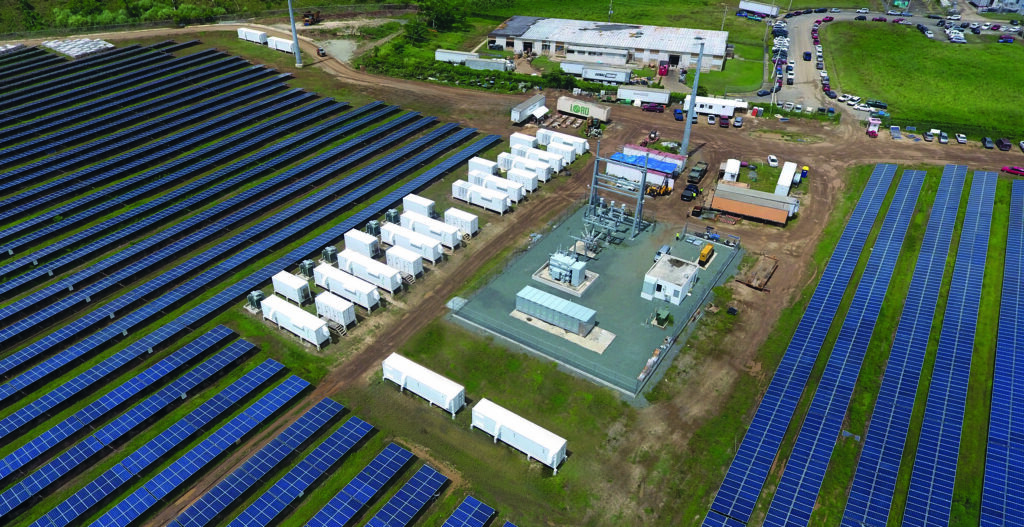
Convinced of its strategic role in the energy transition, REDEN began investing in storage as early as 2016 with the deployment of its first hybrid plants in Latin America, combining photovoltaic generation and on‑site energy storage.

Today, REDEN positions itself as a developer, builder and operator of both standalone and hybrid storage solutions across Europe (France, Italy, Spain, Germany and Greece).

Our 2030 objectives:

  • Achieve more than 3 GW of ready‑to‑build or under‑construction projects across Europe

Comprehensive expertise across the entire value chain

REDEN oversees the full lifecycle of a storage project, delivering a tailored and sustainable approach.

Custom configurations :

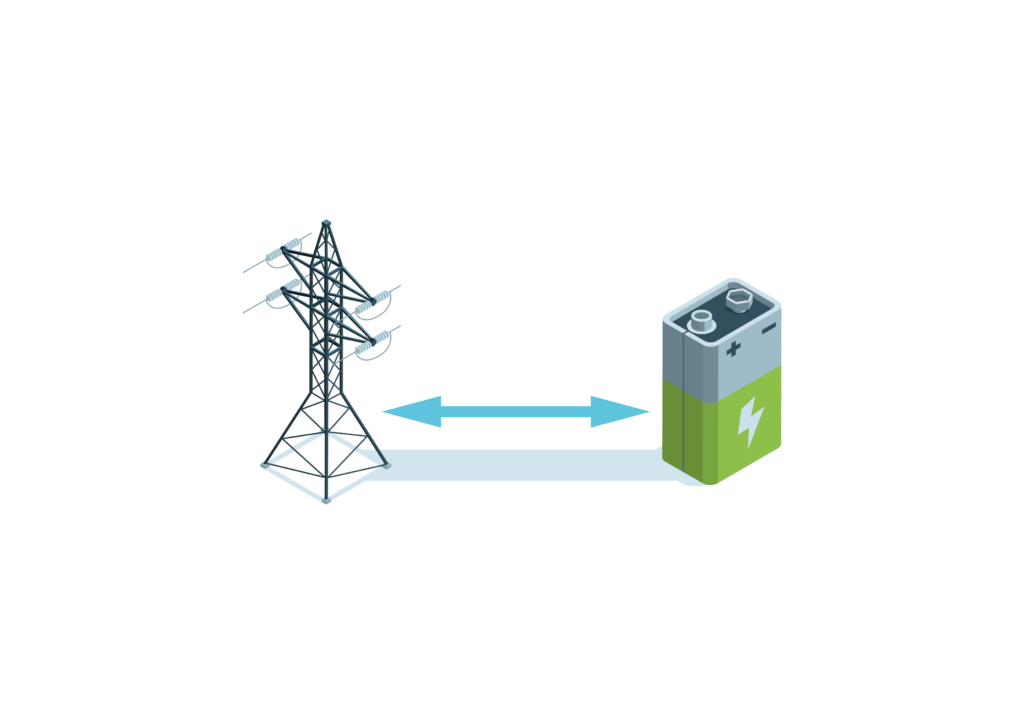
  • Standalone storage systems

These are fully independent storage units with their own grid connection point.

Benefits: Ideal for absorbing surplus energy and releasing it at the right moment based on grid needs.

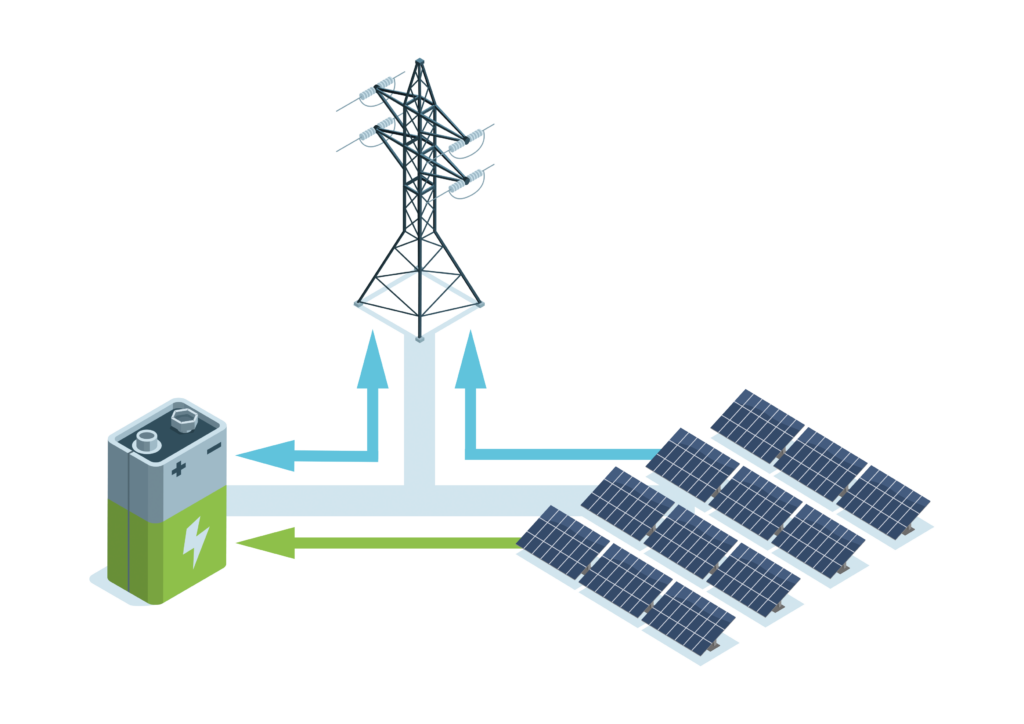
  • Hybrid storage systems (or “co‑location”)

The storage system is installed on the same site as a photovoltaic plant.

Benefits: shared grid connection point, independent operation, enhanced value of solar electricity (at any time of day), improved self‑consumption and strengthened grid stability.

End‑to‑end value‑chain expertise:

Development, financing, construction and operation: REDEN manages its projects from start to finish with a long‑term, performance‑driven approach.

Direct contribution to grid stability:

REDEN provides real‑time management services to support grid operators in securing and balancing the power system: frequency and voltage regulation, PV production smoothing and production/consumption arbitrage.

Continuous innovation:

We closely monitor emerging technologies (low‑impact batteries, green hydrogen, etc.) to anticipate market developments. Today, REDEN’s procurement strategy focuses on LFP (Lithium Iron Phosphate, cobalt‑free) lithium‑ion battery technology, whose containerized integration prioritizes durability and safety.

Optimizing the value of generated energy: 

By storing energy when demand is low and releasing it during peak consumption, REDEN strengthens grid stability and maximizes project profitability.

Reducing energy waste and lowering CO₂ emissions: 

Storage prevents losses linked to surplus production that cannot be injected into the grid. By limiting the use of fossil fuels during peak demand, storage supports cleaner, more local and more resilient energy.

At REDEN, storage is both an accelerator of the energy transition, an economic lever and a cornerstone of electrical resilience.

Expert insights:

To better understand the challenges of energy storage and its role in REDEN’s strategy, check out the interview with Rémi BIRON, Director of Energy Storage Activities.

For more information on energy storage: